
Beyond Automation: How Human-Centric AI is Reshaping B2B Skills for a 40% Evolving Future
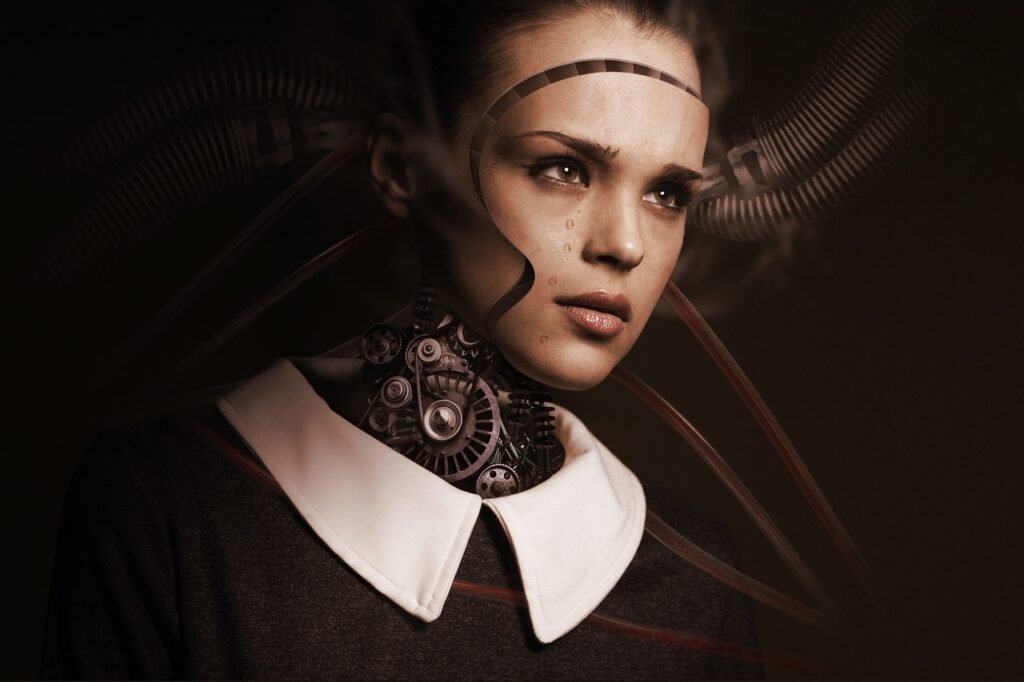
December 2025 – The narrative surrounding Artificial Intelligence (AI) in the business world is rapidly evolving. While the initial focus often gravitated towards automation and efficiency gains, a more nuanced and critical understanding is now taking hold: the imperative of human-centric AI. This approach emphasizes AI’s role not as a replacement for human workers, but as a powerful augmentor, enhancing their capabilities and fostering a more adaptive, skilled, and ethically grounded workforce. Recent industry research and expert analyses underscore this shift, highlighting that organizations must proactively re-evaluate talent strategies to align with an AI-driven future where human skills remain paramount.
At the heart of this transformation lies a profound and accelerating skill evolution. TalentNeuron research, as cited in current industry discussions, revealed a striking statistic: between 2016 and 2019, a significant three-quarters of jobs experienced more than 40% of their required skills changing. This rapid obsolescence of static skill sets signals a fundamental challenge for businesses aiming to build a future-ready workplace. The implication is clear: relying on traditional job descriptions and skill silos is no longer an effective strategy. Instead, organizations must embrace a dynamic approach that anticipates and adapts to the continuous evolution of job requirements driven by AI advancements.
The current landscape indicates a move away from viewing AI solely through the lens of job elimination. Instead, HR leadership and business strategists are increasingly empowered to make informed decisions based on a role’s specific susceptibility to AI’s influence and the proportion of digital dexterity skills involved. This nuanced perspective allows for targeted interventions, whether it involves upskilling existing employees, redeploying talent to new roles, or strategically integrating AI tools to enhance human performance. The core principle remains consistent: AI should serve to empower, not displace, the human element within organizations.
A significant development in the AI sphere, particularly relevant for B2B decision-makers, is the emergence and growing sophistication of agentic AI. These are not simply passive tools but rather AI systems capable of autonomous action, learning, and decision-making within defined parameters. While the potential for agentic AI to drive unprecedented efficiency and innovation is immense, its implementation necessitates a robust framework that prioritizes ethical considerations and human oversight.
The conversation around AI is increasingly shifting from what AI can achieve to what AI should achieve for humanity. This ethical pivot, championed by organizations and thought leaders like LADYACT, underscores the mainstreaming of Ethical AI as a critical trend. As AI becomes more deeply embedded in business processes and customer interactions, the focus on principles of empowerment, ethics, and positive societal impact is paramount. This means that the development and deployment of agentic AI must be guided by a clear understanding of its potential consequences, ensuring that it aligns with human values and organizational integrity.
The challenge lies in navigating the complexities of autonomous systems. Without a human-centric approach, agentic AI could inadvertently lead to unintended biases, ethical breaches, or a disconnect from crucial human understanding and empathy. For instance, in areas like clinical trials, as highlighted by some research, the application of AI and data is transforming processes. However, the ethical considerations of data privacy, patient consent, and the interpretation of results remain inherently human responsibilities that AI should support, not dictate.
The Human Angle: Navigating the Skill Gap and Ethical Dilemmas
The rapid evolution of AI, particularly agentic AI, presents a multifaceted challenge for the human workforce. The 40% skill shift observed previously is not a static phenomenon; it is an ongoing process that demands continuous adaptation. This creates a widening skill gap, where existing competencies may become outdated at an accelerated pace, leaving employees feeling unprepared for the future of work.
The “human angle” in this context refers to the critical need to address the psychological, ethical, and developmental aspects of AI integration. This includes:
- Fear of Displacement: Despite the emphasis on augmentation, a persistent concern among employees is the potential for AI to render their roles obsolete. This anxiety can lead to resistance to AI adoption and a decline in morale.
- Ethical Blind Spots: Agentic AI, operating with a degree of autonomy, can encounter situations where ethical judgment is required. If not properly guided by human principles, these systems might make decisions that are detrimental to individuals, customers, or the organization’s reputation.
- Maintaining Human Oversight: As AI systems become more capable, defining the appropriate level of human oversight becomes crucial. Striking the right balance between empowering AI and retaining human control is essential for mitigating risks and ensuring accountability.
- The Need for Empathy and Creativity: While AI excels at data processing and pattern recognition, uniquely human traits like empathy, critical thinking, complex problem-solving, and creative ideation remain indispensable. AI should be leveraged to free up human capacity for these higher-order cognitive functions.
The question is no longer whether AI will change the workforce, but how organizations will manage this change to ensure a positive and productive outcome for their employees and their business objectives. This requires a deliberate and empathetic strategy that prioritizes the human element at every stage of AI implementation.
The IdeasCreate Solution Framework: Training, Culture, and Human Augmentation
Recognizing these challenges, IdeasCreate advocates for a comprehensive human-centric AI implementation framework. This framework is designed to ensure that AI integration not only drives efficiency but also empowers employees, fosters a positive organizational culture, and maintains ethical integrity. The core pillars of this approach are:
1. Proactive Staff Training and Upskilling: The cornerstone of human-centric AI is equipping the workforce with the necessary skills to collaborate effectively with AI tools. This involves not just technical training on specific AI platforms but also developing critical thinking, problem-solving, and ethical reasoning skills. For instance, if an organization is implementing agentic AI for customer service, training should focus on how human agents can leverage AI-generated insights to provide more personalized and empathetic support, rather than simply accepting AI-driven responses verbatim. IdeasCreate emphasizes the importance of continuous learning pathways that adapt to the evolving AI landscape, ensuring employees remain relevant and confident. This aligns with the TalentNeuron finding that static roles are no longer effective, necessitating a dynamic approach to skill development.
2. Cultivating a Culture of Augmentation: Beyond individual skills, fostering an organizational culture that embraces AI as an augmentation tool is crucial. This means promoting a mindset where AI is seen as a partner that enhances human capabilities, not a threat. Leaders play a pivotal role in communicating this vision and demonstrating how AI can empower employees to achieve more. IdeasCreate assists organizations in developing communication strategies and change management initiatives that demystify AI and highlight its benefits for the workforce. This includes celebrating successes where AI has augmented human performance and creating safe spaces for employees to experiment with and learn from AI tools. The emphasis is on building trust and collaboration between humans and AI systems.
3. Establishing Ethical AI Governance and Oversight: For agentic AI and other advanced AI applications, robust ethical governance is non-negotiable. IdeasCreate helps organizations establish clear guidelines, policies, and review processes for AI deployment. This includes defining accountability frameworks, implementing bias detection and mitigation strategies, and ensuring transparency in AI decision-making where possible. The goal is to create a system where AI operates within ethical boundaries, guided by human values and subject to appropriate oversight. This proactive approach to ethical AI implementation is essential for building trust with customers, employees, and stakeholders, and for mitigating reputational risks. It directly addresses the concerns raised by the mainstreaming of Ethical AI as a trend, moving it from principle to practice.
Conclusion: Embracing the Human-Centric Future of AI
The current business environment, marked by rapid technological advancement and an accelerating 40% skill shift, demands a strategic re-evaluation of how organizations integrate AI. The emergence of agentic AI and the growing emphasis on ethical considerations underscore the critical need for a human-centric AI approach. This is not merely a philosophical stance but a pragmatic imperative for sustainable growth and competitive advantage.
Organizations that successfully navigate this transition will be those that prioritize augmenting human capabilities, investing in continuous skill development, and fostering a culture where AI and human intelligence collaborate harmoniously. By embracing ethical AI principles and implementing robust governance frameworks, businesses can harness the transformative power of AI while safeguarding against potential pitfalls. The future of work is not about replacing humans with machines, but about creating a symbiotic relationship where AI amplifies human potential, leading to greater innovation, efficiency, and a more fulfilling work experience.
Call to Action
To understand how your organization can strategically implement human-centric AI and navigate the evolving skill landscape, contact IdeasCreate for a custom consultation. Discover how our tailored frameworks can empower your workforce and drive sustainable business growth in the age of AI.