
2025’s CX Imperative: How Human-Centric AI is Redefining Loyalty and Bridging the Human-AI Divide
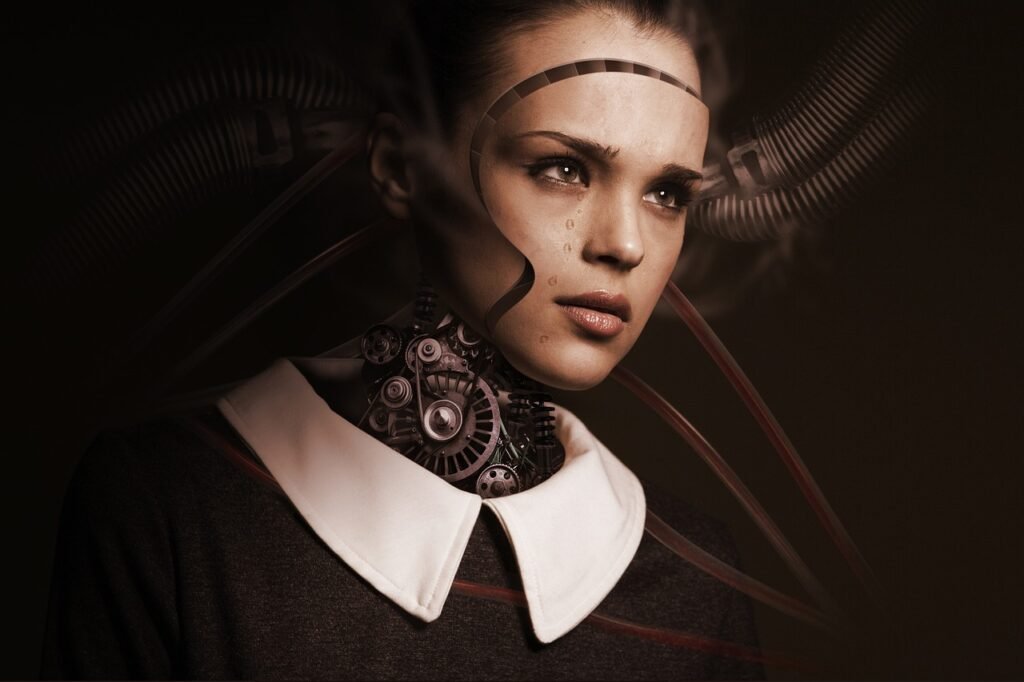
As businesses navigate the rapidly evolving technological landscape of 2025, a critical realization is emerging: artificial intelligence is no longer a futuristic concept but a present-day necessity, particularly in shaping customer experiences (CX). Zendesk’s 2025 Customer Experience Trends Report, a comprehensive analysis drawing on insights from over 10,000 global consumers and business leaders, underscores this pivotal shift. The report reveals that contemporary consumers increasingly demand AI interactions that are not only efficient but also profoundly human, personalized, and engaging. This growing expectation is not merely a preference; it is becoming a strategic differentiator, separating “CX Trendsetters” from those who risk falling behind. The core challenge for B2B decision-makers lies in understanding and implementing “human-centric AI” – a paradigm that prioritizes augmenting human capabilities rather than replacing them, fostering deeper customer loyalty in the process.
The current discourse around AI in business often oscillates between the promise of unprecedented efficiency and the fear of widespread job displacement. However, the data suggests a more nuanced reality, one where the successful integration of AI hinges on its ability to harmonize with, rather than overwrite, human ingenuity and emotional intelligence. This is particularly true in the realm of customer experience, where the stakes are high. Zendesk’s report explicitly highlights that “AI-powered personalization, loyalty and human-like interactions redefine success for CX leaders.” This assertion moves beyond the transactional benefits of AI, such as faster response times or automated tasks, and points towards a more profound impact on customer relationships.
The dominant trend shaping B2B SaaS and CX in 2025, as illuminated by multiple industry sources, is the escalating demand for AI that mimics human interaction. This isn’t about creating artificial consciousness, but about leveraging AI to understand context, express empathy, and deliver personalized experiences that resonate on a human level. Zendesk’s report identifies this as a critical factor in redefining customer loyalty. The report’s findings are stark: consumers are no longer satisfied with purely functional AI interactions. They expect AI to be an extension of a brand’s personality, capable of understanding their unique needs and preferences.
This trend is further supported by the broader evolution of AI capabilities. Companies are increasingly investing in custom AI development, specifically focusing on Large Language Model (LLM) solutions designed to deliver tangible value. As noted, the goal is to “design, build, and integrate custom Large Language Model (LLM) solutions that deliver tangible value.” This involves building “apps tailored to your data, your processes, and your security requirements.” The emphasis here is on bespoke solutions that understand a company’s specific operational context, allowing AI to engage with customers in a way that is both relevant and authentic to the brand.
Furthermore, the integration of AI with existing automation technologies, such as Robotic Process Automation (RPA), is creating more sophisticated capabilities. The ability to “automate repetitive tasks by augmenting Robotic Process Automation (RPA) with AI for AI-powered data entry and intelligent decision-making” allows businesses to free up human agents for more complex, empathetic interactions. This combination is crucial for delivering seamless and intelligent customer journeys, where AI handles the predictable and repetitive, while human agents are empowered to manage the nuanced and emotionally charged. The “AI agents that can perform multi-step tasks to intelligently process documents – saving thousands of hours and reducing human error” are becoming instrumental in this shift, enabling a more efficient backend that supports a more human-centric frontend.
The ‘Human’ Angle: Bridging the Empathy and Trust Gap
The central challenge presented by this AI trend is bridging the inherent gap between artificial processing and genuine human connection. While AI can process vast amounts of data to personalize recommendations or anticipate needs, it cannot, by itself, replicate the empathy, intuition, and nuanced understanding that human service professionals bring to customer interactions. Zendesk’s report implicitly points to this divide by emphasizing “human-like interactions.” This implies a need for AI to be trained not just on data, but on the principles of effective human communication and emotional intelligence.
This is where the concept of “human-centric AI” becomes paramount. It’s not about replacing human agents with AI, but about equipping them with AI-powered tools that enhance their abilities. For B2B decision-makers, this means recognizing that the “static roles are no longer an effective way for organizations to think about building the future workplace.” Instead, a proactive approach to talent strategy is required, one that acknowledges the significant impact AI is having on job skills. TalentNeuron research, cited in the source material, found that “three-quarters of jobs had more than 40% of their required skills change between 2016 and 2019.” This rapid evolution necessitates a strategic response to skill development.
The risk of a purely AI-driven approach is the erosion of trust and the depersonalization of customer relationships. When customers feel they are interacting with a faceless, unfeeling algorithm, loyalty can quickly diminish. Conversely, when AI is used to augment human capabilities, it can lead to more efficient problem-solving and a greater capacity for human agents to focus on building rapport and addressing complex emotional needs. The key is to ensure that AI acts as a co-pilot for human agents, providing them with the information and insights they need to deliver exceptional service, rather than as an autopilot that bypasses human judgment entirely.
The IdeasCreate Solution Framework: Empowering People Through Human-Centric AI
IdeasCreate positions itself as an expert development partner, advocating for the strategic integration of human-centric AI. Their approach recognizes that the successful implementation of advanced AI, particularly LLM solutions, is not solely a technological undertaking but a deeply human one. The core of their framework lies in a two-pronged strategy: comprehensive staff training and fostering a strong cultural fit for AI integration.
1. Staff Training: Future-Proofing Talent for the AI Era
The rapid evolution of skills due to AI, as highlighted by TalentNeuron’s research, demands a proactive approach to workforce development. IdeasCreate’s training initiatives are designed to equip employees with the digital dexterity and AI literacy necessary to collaborate effectively with AI systems. This goes beyond basic technical training; it encompasses developing critical thinking, problem-solving, and emotional intelligence skills that AI cannot replicate. The goal is to empower staff to leverage AI tools to enhance their performance, not to fear their obsolescence. This aligns with the understanding that “organizations have multiple options for roles impacted by artificial intelligence beyond simply eliminating them.” IdeasCreate helps businesses identify these options, focusing on upskilling and reskilling employees to take on more strategic and human-centric roles.
2. Cultural Fit: Cultivating a Collaborative AI Ecosystem
Beyond individual skill development, IdeasCreate emphasizes the importance of organizational culture. For human-centric AI to thrive, a culture of collaboration, trust, and continuous learning is essential. This involves fostering an environment where employees feel empowered to experiment with AI tools, provide feedback, and contribute to the ongoing refinement of AI implementations. IdeasCreate works with B2B decision-makers to cultivate this environment, ensuring that AI is integrated in a way that supports existing workflows and enhances team dynamics. This includes building “apps tailored to your data, your processes, and your security requirements,” ensuring that AI solutions are not imposed but seamlessly integrated into the existing operational fabric. By focusing on “AI Process Automation” that augments human capabilities, IdeasCreate helps businesses achieve “significant gains in operational efficiency” without compromising the human element that drives genuine customer loyalty and employee engagement.
Conclusion: Navigating the Future of CX with Human-Centric AI
As 2025 unfolds, the imperative for businesses to embrace human-centric AI in their customer experience strategies is undeniable. Zendesk’s 2025 CX Trends Report clearly articulates a future where AI-powered personalization, loyalty, and human-like interactions are no longer aspirational but foundational to success. The challenge lies not in the technological feasibility of AI, but in its thoughtful and empathetic implementation. The trend towards AI that mimics human interaction, while offering immense potential for efficiency and personalization, necessitates a deep understanding of the ‘human’ angle. This involves recognizing that AI’s true power lies in its ability to augment, not replace, human capabilities, fostering trust and deepening customer loyalty.
IdeasCreate’s approach, centered on comprehensive staff training and cultivating a supportive organizational culture, offers a robust framework for B2B decision-makers to navigate this evolving landscape. By focusing on empowering employees and integrating AI seamlessly into existing processes, businesses can unlock significant gains in operational efficiency while simultaneously enhancing the human connection that is vital for long-term customer relationships. The future of customer experience in 2025 is not about choosing between humans and AI, but about creating a powerful synergy between them, where technology serves to amplify the best of human potential.
Call to Action: To explore how human-centric AI can redefine your customer experience and foster deeper loyalty, contact IdeasCreate for a custom consultation.