
Pega Predictable AI™ Agents: Bridging the Gap Between Generative AI and Enterprise Workflow Governance in March 2026
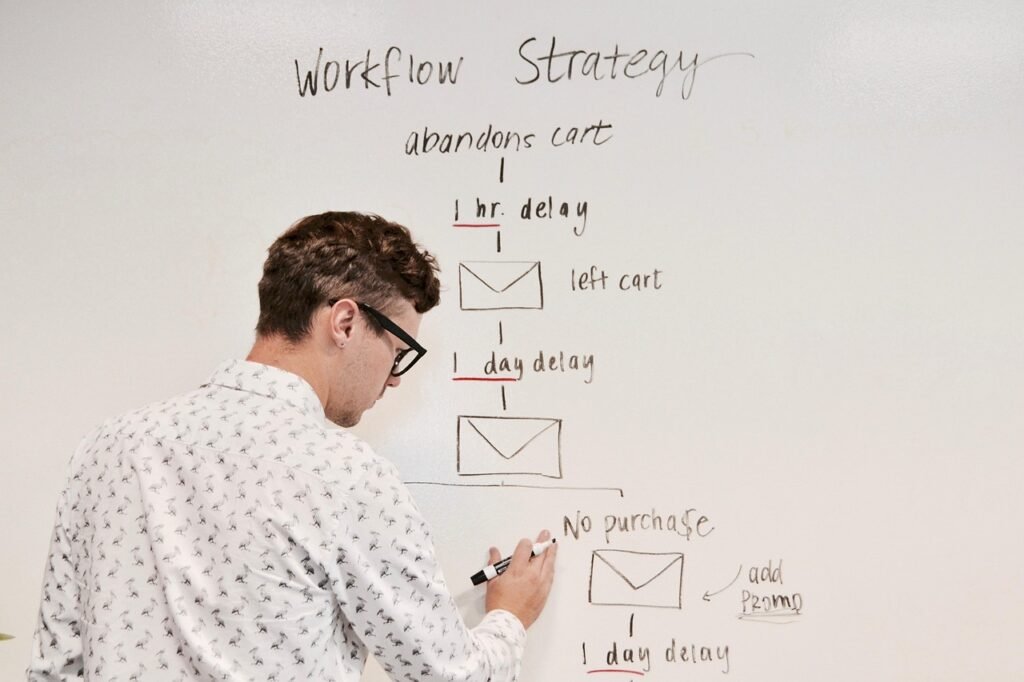
As March 2026 unfolds, the enterprise landscape is grappling with the potent, yet sometimes unruly, capabilities of generative artificial intelligence (AI). While AI has undeniably propelled innovation across sectors, its integration into complex business processes has presented a significant challenge: harnessing AI’s generative power within a framework of predictability and governance. This is precisely where advancements like Pega GenAI™ evolving into Pega Predictable AI™ agents are making their mark, offering a compelling pathway for B2B decision-makers to leverage AI for transformative, yet controlled, operational efficiency.
The core tension lies in the rapid evolution of AI models and their application. The “2024 AI Index Report,” published by the Stanford Institute for Human-Centered Artificial Intelligence (HAI), noted the profound influence AI has exerted on society, with technological breakthroughs and innovative applications accelerating growth. However, this rapid expansion also brought challenges, including “increased regulation and ethical debates,” as highlighted by ai magazine.com. The promise of AI to “drive greater efficiency and maximize the power of your workflows” is undeniable, but realizing this potential requires more than just raw generative power. It demands a structured approach that ensures AI actions are not only intelligent but also predictable and aligned with enterprise objectives.
The emergence of Pega Predictable AI™ agents represents a significant development in the practical application of AI within enterprise environments. This evolution from Pega GenAI™ signifies a strategic shift towards integrating the generative capabilities of AI with the established predictability of workflows. As described by duckduckgo.com, these agents are designed to “meet predictable AI™ agents” and “where the power of AI agents meets the predictability of workflows.” This fusion allows AI and automation to “do the heavy lifting,” thereby enabling organizations to “drive greater efficiency and maximize the power of your workflows.”
This advancement is crucial for B2B decision-makers who are increasingly looking to AI not just for novel content creation or data analysis, but for the orchestration of complex business processes. The ability of these agents to “lead a continuous optimization loop – uncover opportunities, generate content, and engage” suggests a proactive and dynamic application of AI. Furthermore, the statement that they can “Transform chatbots to self-service agent superstars and supercharge employee productivity” points to a direct impact on customer service and internal operations. The key differentiator here is the emphasis on “enterprise-ready governance built in,” which addresses a critical concern for businesses operating in regulated industries or those requiring stringent oversight of their automated processes.
The Artificial Analysis Intelligence Index v4.0, a comprehensive benchmark of AI model performance, provides a framework for understanding the intelligence and capabilities of various AI systems. While the Index itself focuses on evaluating the “intelligence, speed, and cost” of leading AI models through metrics such as GDPval-AA, 𝜏²-Bench Telecom, and Terminal-Bench Hard, the development of Pega Predictable AI™ agents speaks to a different, yet complementary, aspect of AI’s maturation: its integration into operational workflows with a focus on control and reliability. The Index’s evaluations offer a granular view of model capabilities, but the Pega solution addresses how to deploy these capabilities effectively and predictably within an organizational context.
The ‘Human’ Angle/Challenge: Ensuring Governance and Trust in AI-Driven Workflows
The primary challenge presented by advanced AI agents, even those designed for predictability, is maintaining human oversight and ensuring trust. While AI agents can “uncover opportunities” and “generate content,” the ultimate responsibility for strategic direction, ethical considerations, and the accuracy of AI-generated outputs remains with human decision-makers. The “2024 AI Index Report” explicitly mentions the growing importance of “policy work” and the need to address AI’s societal influence, underscoring the human-centric imperative.
For B2B decision-makers, the integration of AI agents into workflows raises several critical questions:
- Governance and Compliance: How can organizations ensure that AI-driven actions comply with industry regulations and internal policies? Pega’s emphasis on “enterprise-ready governance” directly addresses this, suggesting a built-in framework for audit trails, approval processes, and risk management.
- Ethical Considerations: As AI agents become more autonomous, how can ethical principles be embedded into their decision-making processes? The “human-centric AI” approach, as advocated by the Stanford HAI initiative, is paramount here. It implies that AI should augment, not replace, human judgment, particularly in areas with ethical implications.
- Skill Augmentation vs. Replacement: The core message of human-centric AI is that it should enhance human capabilities. For decision-makers, this means understanding how AI agents can empower their existing workforce rather than displacing them. This requires a strategic approach to training and upskilling.
- Trust and Transparency: Building trust in AI systems is vital. Decision-makers need to understand how AI agents arrive at their recommendations or actions. Transparency in AI operations, even within a predictable framework, is key to fostering this trust.
The “State of AI – 2025 Year End Edition” by Artificial Analysis highlights the ongoing quest for intelligence in AI models. While the Artificial Analysis Intelligence Index v4.0 provides a robust evaluation of model intelligence, the challenge for businesses is translating that intelligence into actionable, trustworthy, and governable processes. Pega Predictable AI™ agents aim to bridge this gap by providing a layer of workflow intelligence and control on top of powerful AI capabilities.
The IdeasCreate Solution Framework: Empowering Staff Through Training and Cultural Alignment
At IdeasCreate, the philosophy guiding AI implementation is firmly rooted in the principle of human-centric AI. This means recognizing that the true power of AI is unlocked when it serves to augment human capabilities, foster innovation, and drive efficiency, all while maintaining a strong ethical and governance framework. The emergence of solutions like Pega Predictable AI™ agents aligns perfectly with this vision, providing a robust platform that can be effectively integrated through a carefully designed framework.
IdeasCreate’s approach to implementing AI, particularly advanced agent systems, is multifaceted, focusing on two key pillars: staff training and cultural fit.
1. Comprehensive Staff Training:
Recognizing that AI agents are tools to empower employees, not replace them, extensive training is paramount. This training goes beyond basic operational use and delves into:
- Understanding AI Capabilities and Limitations: Employees need to grasp what AI agents can and cannot do. This includes understanding the outputs of generative AI and the predictability of workflow agents.
- Collaborative Workflows: Training will focus on how humans and AI agents can work together effectively. This involves teaching employees how to prompt AI agents, interpret their outputs, and integrate them into their daily tasks.
- Governance and Oversight: Employees will be trained on the governance protocols associated with AI agents, ensuring they understand their role in oversight, validation, and ethical decision-making.
- Skill Augmentation Strategies: Training will highlight how AI agents can be used to upskill employees, allowing them to focus on higher-value, strategic, and creative tasks that leverage their unique human abilities.
2. Cultivating a Culture of AI Integration:
Successful human-centric AI implementation is as much about organizational culture as it is about technology. IdeasCreate works with B2B decision-makers to foster a culture that embraces AI as a partner for growth:
- Empathy and Communication: Open communication about the goals and benefits of AI implementation is crucial. Addressing employee concerns proactively and empathetically builds trust and reduces resistance.
- Change Management: A structured change management process ensures that the adoption of AI agents is smooth and minimizes disruption. This involves stakeholder engagement, feedback loops, and continuous support.
- Ethical AI Practices: Instilling a strong ethical compass for AI usage is non-negotiable. This involves establishing clear guidelines for AI deployment and encouraging a critical, human-led approach to AI outputs.
- Continuous Learning and Adaptation: The AI landscape is constantly evolving. IdeasCreate promotes a culture of continuous learning, where employees are encouraged to explore new AI applications and adapt to emerging technologies.
By integrating Pega Predictable AI™ agents within this comprehensive framework, organizations can move beyond the theoretical benefits of AI and implement practical, governable, and human-empowering solutions. This approach ensures that AI serves to amplify human intelligence and creativity, driving tangible business outcomes while upholding the essential human element in decision-making and operations.
Conclusion: Navigating the Future with Predictable AI and Human Ingenuity
The current AI landscape in March 2026 is characterized by rapid advancements in generative capabilities, as evidenced by the ongoing analysis and benchmarking of AI models like those detailed in the Artificial Analysis Intelligence Index v4.0. However, the true measure of AI’s success in the B2B realm lies not just in its intelligence or speed, but in its ability to be integrated predictably and ethically into existing business workflows.
The evolution of solutions like Pega Predictable AI™ agents signifies a critical step forward, offering a way to harness the power of AI while maintaining the essential elements of governance and control that are paramount for enterprise operations. As noted in the “2024 AI Index Report,” AI’s influence on society is more pronounced than ever, necessitating a thoughtful and human-centric approach to its deployment.
For B2B decision-makers, the actionable insight is clear: the future of AI implementation is not about choosing between raw power and control, but about finding the synergy between them. By focusing on solutions that offer both advanced AI capabilities and built-in governance, organizations can unlock new levels of efficiency and innovation.