
AI’s Skill Shift: Navigating the 40% Overhaul for Authentic Human-Centric Augmentation
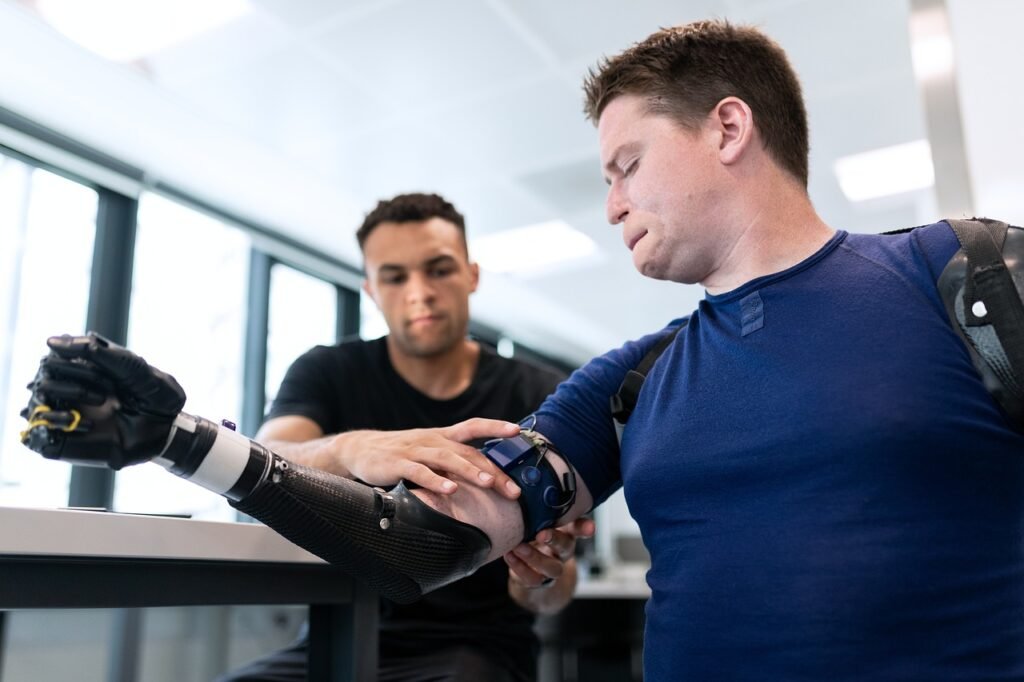
As of December 2025, the landscape of work is undergoing a seismic transformation, driven by the pervasive influence of artificial intelligence. Research from TalentNeuron starkly illustrates the magnitude of this shift, revealing that between 2016 and 2019, three-quarters of jobs experienced more than a 40% change in their required skills. This data underscores a critical imperative for B2B decision-makers: static roles are no longer a viable strategy for building future-ready workplaces. The challenge lies not in AI’s potential to replace human roles, but in how organizations can strategically augment human capabilities to navigate this evolving skills environment, ensuring authenticity and deep value creation.
The rapid advancement and integration of AI technologies are fundamentally reshaping the competencies demanded across industries. This necessitates a proactive approach to talent strategy, moving beyond traditional role definitions to embrace a more dynamic and adaptable workforce. The key to successfully leveraging AI in this new era hinges on a human-centric implementation that prioritizes the augmentation of human skills, rather than their obsolescence. This approach recognizes that AI’s greatest potential is unlocked when it empowers individuals to perform their roles with greater efficiency, creativity, and insight.
While generative AI has captured significant attention for its content creation capabilities, a more nuanced and critical trend is emerging: the demand for authenticity verification in AI-generated content and the strategic focus on augmentative AI. The proliferation of AI tools, while offering efficiency, also raises concerns about originality and the potential for content to sound “off” or inauthentic. Tools like the AI Humanizer by JustDone are gaining traction precisely because they address this emerging challenge. JustDone’s approach highlights specific sources within its plagiarism checker, enabling users to understand precisely what needs revision to maintain uniqueness and avoid unintentional unattributed content. This functionality is crucial for B2B organizations that rely on credible, original communication to build trust and establish thought leadership.
The underlying principle here is that AI should not merely generate content but should do so in a way that is verifiable and aligns with an organization’s authentic voice. This involves a deeper understanding of the AI’s outputs and the ability to refine them to ensure they resonate with human audiences. The “humanize AI content the smart way” philosophy championed by tools like JustDone points to a future where AI assists in the creative process, but the final polish and strategic alignment remain firmly in human hands. This is particularly relevant for B2B decision-makers who are constantly striving to differentiate their brands in crowded markets.
Furthermore, the concept of augmentative AI is gaining prominence. This refers to AI systems designed to enhance human performance rather than automate tasks to the point of human redundancy. The TalentNeuron research, which found a 40% skill overhaul in three-quarters of jobs between 2016 and 2019, is a direct consequence of AI’s increasing integration into workflows. This overhaul signifies a shift from routine, predictable tasks to those requiring higher-order cognitive functions, creativity, and critical thinking – areas where human intelligence excels and can be amplified by AI.
The ‘Human’ Angle: Navigating the Authenticity and Skills Gap
The primary “human” challenge in this evolving AI landscape revolves around maintaining authenticity and bridging the widening skills gap. As AI becomes more sophisticated, the line between AI-generated and human-created content can blur, leading to a potential erosion of trust. B2B decision-makers must grapple with how to ensure that the content and communications emanating from their organizations, whether AI-assisted or not, retain a genuine human touch and reflect their brand’s core values. The fear is not just about plagiarism, but about losing the unique perspective, empathy, and nuanced understanding that humans bring to communication.
The 40% skill overhaul identified by TalentNeuron is another significant human challenge. This rapid evolution means that employees’ existing skill sets may quickly become outdated. Organizations are faced with the daunting task of upskilling and reskilling their workforce to meet the demands of an AI-augmented future. The question is not if skills need to change, but how to facilitate this change effectively and ethically. Simply exposing employees to AI tools is insufficient. A strategic approach is required to equip them with the skills to effectively collaborate with AI, interpret its outputs, and apply them in ways that drive business value.
This necessitates a fundamental shift in how organizations approach talent development. HR leadership, for instance, can leverage AI impact assessments to understand which roles are most affected and to what degree. Based on a role’s risk of AI impact and the proportion of digital dexterity skills required, organizations can make informed decisions about how to focus their talent development efforts. This might involve re-skilling employees for roles that are augmented by AI, or upskilling them to take on new responsibilities that emerge as a result of AI integration. The goal is to create a symbiotic relationship where AI handles the repetitive or data-intensive aspects of a job, freeing up human professionals to focus on strategic thinking, problem-solving, and interpersonal interactions.
The IdeasCreate Solution Framework: Training, Culture, and Human-Centric Augmentation
IdeasCreate recognizes that successful AI implementation in the B2B space hinges on a human-centric framework that prioritizes staff training and fosters a supportive cultural fit. The objective is not to simply deploy AI technologies, but to integrate them in a manner that amplifies human potential and preserves organizational authenticity.
1. Strategic Staff Training: Equipping for Augmentation
The foundation of IdeasCreate’s approach lies in comprehensive staff training programs designed to empower employees to effectively utilize and collaborate with AI tools. This training goes beyond basic operational proficiency; it focuses on developing critical thinking skills to evaluate AI outputs, creative problem-solving to leverage AI for innovation, and ethical considerations for responsible AI deployment. For instance, understanding how tools like JustDone can be used to ensure the authenticity of AI-assisted content is a vital component. Training should equip employees to identify AI-generated text that might require human refinement to maintain a unique brand voice and avoid generic or inauthentic messaging.
TalentNeuron’s findings about the 40% skill overhaul underscore the need for continuous learning. IdeasCreate advocates for dynamic training modules that adapt to the evolving AI landscape. This includes teaching employees how to identify which skills are being augmented by AI and how to develop complementary human skills that become more valuable in an AI-driven environment. For example, employees in marketing might be trained on how to use AI for initial content ideation and data analysis, while simultaneously honing their skills in strategic messaging, audience empathy, and brand storytelling – areas where human insight remains paramount.
2. Fostering Cultural Fit: Embracing Collaboration and Authenticity
Beyond technical training, IdeasCreate emphasizes the importance of cultivating a company culture that embraces human-centric AI. This involves fostering an environment where employees feel comfortable experimenting with AI tools, are encouraged to provide feedback on their effectiveness, and understand that AI is a partner, not a replacement. A culture of psychological safety is essential for employees to voice concerns about AI’s impact on their roles and to contribute to the ongoing refinement of AI integration strategies.
The emphasis on authenticity, highlighted by the rise of AI humanizer tools, must be embedded in the organizational culture. This means establishing clear guidelines for AI usage, promoting transparency in AI-assisted communications, and valuing human oversight and final decision-making. When AI is used to augment human capabilities, the output should still reflect the organization’s genuine voice and values. IdeasCreate’s framework encourages leadership to champion this cultural shift, demonstrating through their own actions how AI can be used to enhance human work and preserve authentic connections.
3. The IdeasCreate Solution Framework in Action:
- AI Impact Assessment & Role Redefinition: Utilizing data similar to TalentNeuron’s findings, IdeasCreate partners with organizations to assess the impact of AI on specific roles. This analysis informs strategies for either augmenting existing roles or creating new ones that leverage AI.
- Authenticity Verification Protocols: Implementing processes that incorporate tools like JustDone for checking AI-generated content, ensuring originality, and maintaining brand integrity. This includes training teams on how to use these tools effectively and interpret their findings.
- Continuous Upskilling Pathways: Developing personalized learning journeys for employees, focusing on both digital dexterity and uniquely human skills that complement AI capabilities.
- Change Management & Communication: Facilitating open dialogue about AI’s role in the organization, addressing employee concerns, and building enthusiasm for human-centric AI adoption.
Conclusion: The Human Edge in an AI-Augmented Future
As B2B organizations navigate the complexities of AI integration in December 2025, the imperative for a human-centric approach is clearer than ever. The stark reality of the 40% skill overhaul, as identified by TalentNeuron, demands proactive talent strategies that prioritize augmentation over automation. The emergence of tools like the AI Humanizer by JustDone underscores the critical need to maintain authenticity in an increasingly AI-generated content landscape.
The future of work is not a battle between humans and machines, but a collaboration where AI empowers human potential. By focusing on strategic staff training, fostering a culture of collaboration and authenticity, and adopting a robust framework for human-centric AI implementation, B2B decision-makers can ensure that their organizations not only adapt to the AI revolution but thrive within it, maintaining their unique voice and delivering genuine value. The human edge in an AI-augmented future lies in harnessing technology to amplify our inherent strengths, creativity, and critical thinking.
—
**Ready to navigate the evolving AI landscape and ensure your organization leads with