
AI Agents in B2B Content: Beyond Automation, Towards Authentic Human-Centric Connection in 2025
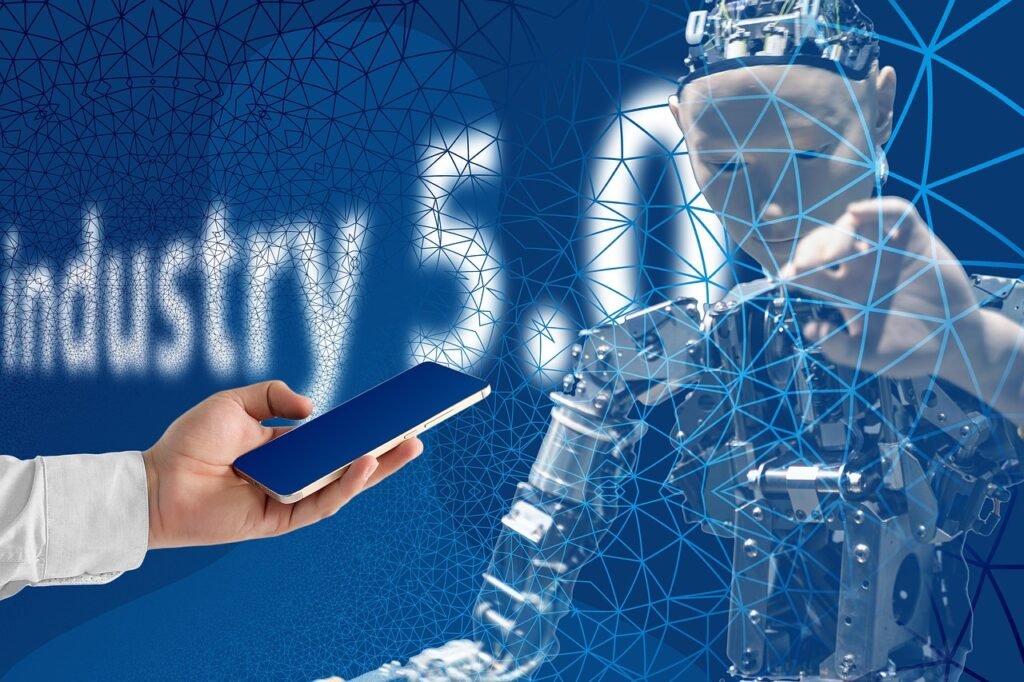
As December 2025 unfolds, the B2B marketing landscape is experiencing a profound transformation, largely driven by the integration of Artificial Intelligence. While the initial wave of generative AI adoption in 2023 and 2024 focused on efficiency and automation, a more nuanced understanding is emerging: AI’s true power in B2B content strategy lies not in replacing human expertise, but in augmenting it to foster deeper, more authentic connections with clients. This shift is crucial for B2B decision-makers who are increasingly seeking solutions that enhance, rather than diminish, the human element in their customer interactions.
The early adoption phase saw a significant embrace of AI. By the end of 2024, research indicated that 87% of B2B marketers were already using or testing AI, with a majority planning to deepen its integration to enhance personalization, automation, and analytics. This surge in adoption was fueled by tangible results; marketers leveraging AI were reported to be seven times more likely to exceed their goals, attributing these successes to improved efficiency, content creation capabilities, and revenue growth. The year 2023, in particular, was described as a “thrilling time” for development at the intersection of generative AI and marketing. Within a year of ChatGPT’s launch, 70% of CMOs had integrated generative AI into their strategies, primarily for personalization. This period also saw a market correction that necessitated budget trimming, prompting Go-To-Market (GTM) teams to “innovatively maximize resources” through AI.
However, this rapid integration brought to the fore a critical question: how can businesses harness AI’s power to create more human-centric marketing strategies, ensuring that the drive for efficiency doesn’t alienate potential clients? Recent expert perspectives highlight a discernible shift. Daniel Englebretson, a renowned AI strategist, emphasizes that “modern buyers want real conversations, connections, and solutions to their specific problems.” This sentiment underscores a growing demand for authentic experiences, moving beyond purely transactional interactions. The economic climate of recent years has further amplified this need for genuine connection, pushing B2B marketers to seek strategies that resonate on a deeper level.
The current frontier in AI for B2B marketing involves the deployment of sophisticated AI agents capable of acting as thought leaders and content strategists. These agents are moving beyond basic content generation to assist in crafting high-value, compelling narratives that position companies as experts. This is particularly relevant for organizations like IdeasCreate, which aims to establish itself as a leader in human-centric AI implementation. The goal is not simply to produce more content, but to produce more impactful content that speaks directly to the needs and concerns of B2B decision-makers.
Recent developments in AI, particularly in natural language processing and understanding, enable these agents to analyze vast datasets, identify emerging trends, and synthesize complex information into actionable insights. For instance, AI-powered platforms are transforming content development and webinar creation, assisting marketers in rapidly producing, personalizing, and repurposing materials. This has led to remarkable efficiency gains; one notable case study saw NRC cut content creation time by 95% with ON24 AI-powered ACE. Such advancements allow AI agents to act as powerful assistants to human content creators, handling the more time-consuming aspects of research and initial drafting, thereby freeing up human experts to focus on strategic oversight, creative direction, and the nuanced understanding of audience needs.
The concept of “Smarketing”—the alignment of sales and marketing—which became a best practice among the majority of B2B leaders in 2023, is further enhanced by AI agents. These agents can analyze sales data, customer feedback, and market intelligence to identify content gaps and opportunities, ensuring that marketing efforts are tightly aligned with sales objectives and customer pain points. Demandbase’s annual C Suite Go to Market Survey, representing the opinions of over 200 revenue leaders, has consistently highlighted the importance of this alignment, a practice that AI agents can significantly bolster.
Furthermore, AI’s ability to analyze vast amounts of data in real-time is enabling B2B marketers to deliver hyper-personalized experiences at scale. This trend, predicted to become standard in 2024 and beyond, means that AI agents can help tailor content not just to industry or company size, but to specific roles, challenges, and even individual buyer journeys. This level of personalization fosters a sense of being understood, moving away from generic outreach towards a more targeted and relevant dialogue.
The ‘Human’ Angle: Navigating Authenticity and Trust in an AI-Augmented World
Despite the impressive capabilities of AI agents, the core challenge for B2B marketers lies in maintaining and enhancing the “human” angle. As Daniel Englebretson notes, buyers seek “real conversations, connections, and solutions.” This implies that AI-generated content, while efficient, must be imbued with genuine empathy, strategic insight, and a deep understanding of human motivations. The risk of AI-driven content becoming sterile, overly automated, or lacking a genuine human perspective is a significant concern for decision-makers.
The shift towards authentic experiences is paramount. Buyers are increasingly discerning and can often detect inauthentic communication. While AI can automate tasks like data analysis and initial content drafting, it is the human touch that infuses content with personality, builds rapport, and establishes trust. For instance, in industrial marketing, where B2B and industrial marketers might traditionally be slower to adopt new technologies, there’s a clear opportunity to leverage AI for better search optimization and understanding online user behaviors, but the final messaging and relationship-building must remain human-led. The annual INBOUND conference has increasingly highlighted how AI, search, and human connection are reshaping industrial marketing, emphasizing that technology should serve to amplify human interaction.
Another critical aspect is the cultural fit within an organization. Implementing AI effectively requires not just the right tools, but also a workforce that understands how to collaborate with AI. This involves training employees to leverage AI as a co-pilot, augmenting their skills rather than threatening their roles. Research indicates that 76% of B2B marketers are optimistic about AI’s potential, believing it will enhance workflows and customer experiences without replacing the human touch. This optimism is a crucial indicator that the industry recognizes the augmentation potential of AI.
The challenge for B2B decision-makers is to navigate this new paradigm by ensuring AI tools are deployed in a way that empowers their teams. This means fostering a culture where AI is seen as an enabler of creativity and strategic thinking, not a replacement for it. The ability of AI to help companies “3X their reach and power multi-channel campaigns,” as seen in examples like Flexential, is powerful, but the quality of that reach and the depth of the multi-channel engagement depend heavily on the human strategy guiding the AI.
The IdeasCreate Solution Framework: Training, Culture, and Human-Centric Integration
For organizations like IdeasCreate aiming to lead in the human-centric AI space, a comprehensive framework is essential. This framework must prioritize staff training and cultivate a strong cultural fit for AI integration. The goal is to move beyond simply adopting AI tools and towards a strategic approach that embeds AI as a partner in human-led initiatives.
1. Strategic Staff Training:
Effective training goes beyond basic AI tool usage. It should focus on developing AI literacy, enabling employees to understand AI’s capabilities and limitations. This includes training on:
- Prompt Engineering: Teaching teams how to craft effective prompts for AI agents to generate relevant, high-quality content that aligns with brand voice and strategic objectives.
- AI as a Research Assistant: Equipping marketers to use AI for deep dives into market trends, competitor analysis, and audience segmentation, extracting actionable insights that inform content strategy.
- Content Curation and Editing: Training individuals to critically review, refine, and personalize AI-generated content to ensure authenticity, accuracy, and adherence to human-centric principles. This is crucial for preventing content from feeling generic or impersonal.
- Ethical AI Use: Educating teams on the responsible and ethical deployment of AI in marketing, ensuring transparency and avoiding biases.
2. Fostering a Human-Centric AI Culture:
A robust organizational culture is vital for successful AI integration. This involves:
- Emphasizing Augmentation, Not Replacement: Clearly communicating that AI is a tool to enhance human capabilities, freeing up employees for higher-level strategic thinking, creativity, and relationship building.
- Encouraging Collaboration: Creating an environment where human expertise and AI capabilities are seen as complementary. This means fostering cross-functional teams that can leverage AI insights to drive marketing and sales initiatives.
- Promoting Continuous Learning: Establishing a culture of ongoing learning and adaptation, as AI technology evolves rapidly. This involves regularly reviewing and updating AI strategies and training programs.
- Measuring Human Impact: Shifting performance metrics to include not just efficiency gains but also the impact of AI on customer engagement, relationship depth, and client satisfaction.
By adopting this two-pronged approach of strategic training and cultural development, businesses can ensure that AI agents act as powerful allies, amplifying human expertise and fostering authentic connections. The success of AI in B2B marketing in 2025 and beyond will be defined by its ability to support and enhance human interaction, making marketing efforts more effective, personalized, and ultimately, more human.
Conclusion: The Future of B2B Content is Augmented Intelligence
The evolution of AI in B2B marketing is moving beyond the initial fascination with automation and efficiency. As we navigate **December 2025