
AI’s 2025 Skill Shift: Why Life Sciences Leaders Prioritize Digital Dexterity Amidst 93% Investment Surge
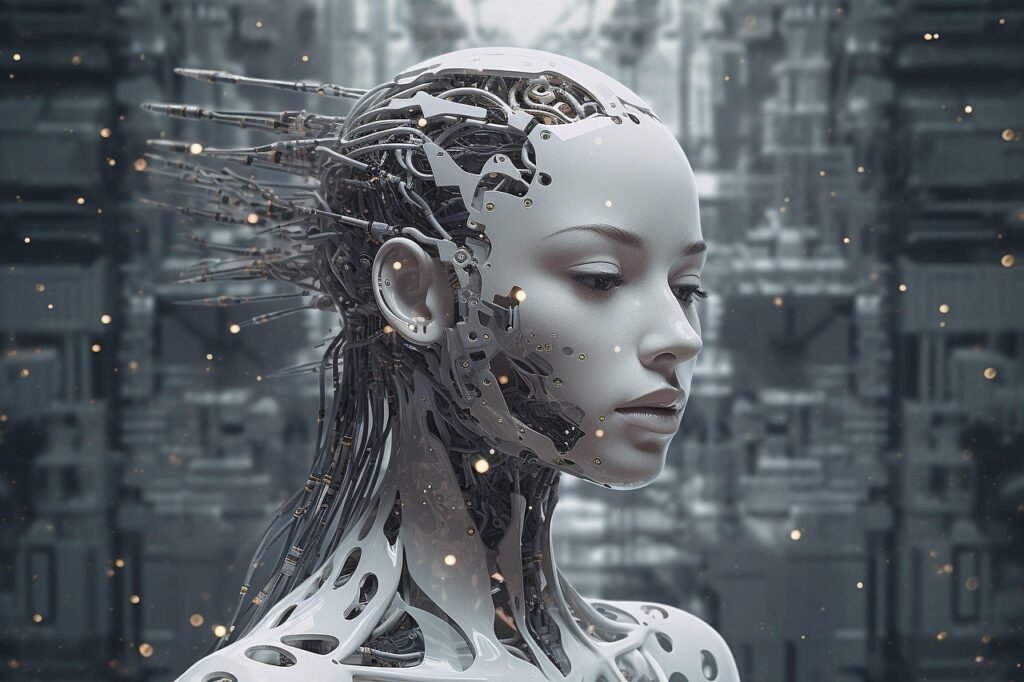
As 2025 dawns, the artificial intelligence (AI) landscape is undergoing a profound transformation, moving beyond mere technological adoption to a strategic imperative focused on human augmentation. This shift is particularly pronounced in the life sciences sector, where leaders are not only anticipating a significant increase in data, digital, and AI investments – with 93% expecting this surge – but are also grappling with the evolving skill requirements necessary to leverage these advancements effectively. The core challenge lies not in deploying AI, but in ensuring it complements and enhances human capabilities, a principle increasingly defined as “human-centric AI.”
Industry tech leaders are recognizing that generative AI, while a powerful tool, is not a solitary solution. Its success hinges on integration within broader enterprise priorities, the availability of high-quality data, and a balanced blend of data science, domain expertise, business acumen, and technological understanding. Crucially, a successful AI strategy must empower the individuals closest to the work, enabling them to develop their skills and navigate the future. This realization is driving a fundamental re-evaluation of talent strategies, as organizations like those in life sciences understand that static roles are no longer sufficient for building a resilient future workplace.
While the past few years have seen extraordinary advancements in AI, 2024 marked the beginning of the AI era proper, characterized by technological breakthroughs, innovative applications, and substantial financial growth. Across diverse sectors, from healthcare and finance to entertainment and agriculture, AI has begun to embed itself into daily operations. Emerging technologies like multimodal AI and generative AI are pushing boundaries, enabling systems to understand and process information from various sources simultaneously – text, images, audio, and video.
This evolution towards multimodal AI presents a significant opportunity for industries like life sciences, which are inherently data-rich but often siloed. The ability of AI models to synthesize information from diverse datasets – such as clinical trial results, genomic sequences, patient imaging, and research papers – promises to unlock deeper insights and accelerate discovery. For instance, imagine an AI system capable of analyzing a patient’s medical images, cross-referencing them with their genetic profile and a vast library of medical literature, and then generating a preliminary diagnostic report. This capability moves beyond single-source analysis to a holistic understanding, mirroring how human experts often approach complex problems.
However, the rapid growth of AI, including multimodal capabilities, has not been without its challenges. As highlighted by industry observers, these include increased regulation, ongoing ethical debates, concerns about energy consumption, and hardware shortages that underscore the industry’s reliance on specific infrastructure. For life sciences, the ethical considerations are particularly acute, given the direct impact on human health and well-being.
The ‘Human’ Angle: Bridging the Skills Gap in a Data-Intelligent World
The core challenge presented by the advancement of multimodal AI is not the technology itself, but the human element required to harness its full potential responsibly and effectively. Research from TalentNeuron indicates a seismic shift in the job market: between 2016 and 2019, three-quarters of jobs experienced more than 40% of their required skills changing. This trend has only accelerated, meaning that organizations can no longer rely on static job descriptions or a fixed set of employee competencies.
In the context of life sciences, this translates to a critical need for “digital dexterity.” This concept goes beyond basic technological proficiency; it encompasses the ability to adapt to new digital tools, understand data-driven insights, and collaborate effectively with AI systems. Leaders in the sector are recognizing that the jobs most impacted by AI do not necessarily need to be eliminated. Instead, a strategic approach involves identifying roles where AI can augment human capabilities, freeing up professionals for higher-value tasks that require critical thinking, creativity, and empathy.
The challenge for B2B decision-makers in life sciences is to proactively cultivate this digital dexterity within their workforce. This involves understanding which skills are becoming obsolete, which are evolving, and which new skills are emerging as essential. For example, while AI can automate routine data analysis, human scientists will be needed to interpret the complex, nuanced outputs, design novel experiments based on AI-generated hypotheses, and communicate findings to diverse stakeholders. This requires a workforce that is not only technically proficient but also adaptable, curious, and capable of lifelong learning.
Furthermore, the “human-centric AI” imperative means ensuring that AI systems are developed and deployed in ways that align with human values and ethical principles. This requires a deep understanding of the potential biases embedded in data, the implications of AI-driven decisions, and the importance of transparency and accountability. Without a human-centric approach, AI risks exacerbating existing inequalities or leading to unintended negative consequences.
The IdeasCreate Solution Framework: Cultivating Human-Centric AI Through Training and Culture
Addressing the evolving skill requirements and the human-centric imperative in AI implementation demands a strategic framework that prioritizes both staff development and organizational culture. IdeasCreate proposes a solution that focuses on building a workforce equipped not just with technical AI knowledge, but with the critical thinking and adaptability necessary to thrive in an AI-augmented environment.
The cornerstone of this framework is a comprehensive approach to staff training. This extends beyond basic AI tool adoption to encompass the development of digital dexterity. For life sciences organizations, this could involve specialized training modules on interpreting multimodal AI outputs, understanding the ethical implications of AI in drug discovery or patient care, and developing collaborative workflows between human experts and AI agents. This is not about replacing human expertise but about enhancing it. As industry leaders are learning, AI is not a solo act; it requires a skilled human counterpart to guide, validate, and leverage its capabilities.
Crucially, IdeasCreate emphasizes the importance of fostering a culture that embraces AI as a tool for augmentation, not displacement. This requires strong leadership commitment to communicating the vision for human-centric AI, creating psychological safety for employees to experiment with new technologies, and rewarding the development of new skills. When employees feel empowered and supported, they are more likely to engage with AI initiatives enthusiastically and constructively.
The “IdeasCreate Solution Framework” is built on the understanding that successful AI implementation is a socio-technical endeavor. It recognizes that technological advancements, such as multimodal AI, must be integrated into existing business processes and human workflows in a way that enhances efficiency, drives innovation, and upholds ethical standards. This involves:
- Skills Assessment and Gap Analysis: Identifying current skill sets within the organization and pinpointing the gaps that need to be addressed to effectively leverage AI.
- Customized Training Programs: Developing tailored educational initiatives that equip employees with the specific skills and knowledge required for human-centric AI adoption, from data interpretation to ethical AI deployment.
- Cultural Integration Strategies: Implementing initiatives that foster a culture of continuous learning, collaboration between humans and AI, and a proactive approach to ethical AI considerations.
- Process Re-engineering: Adapting existing workflows and business processes to seamlessly integrate AI tools and maximize the benefits of human-AI collaboration.
By focusing on these interconnected elements, IdeasCreate helps organizations in the life sciences sector navigate the complexities of AI adoption, ensuring that investments in data, digital, and AI translate into tangible growth and a future-ready workforce. The 93% investment surge anticipated for 2025 underscores the urgency of this strategic approach.
Conclusion: Embracing the Augmented Future with Human-Centric AI
As 2025 unfolds, the narrative around artificial intelligence is shifting decisively towards a more human-centric paradigm. The advancements in technologies like multimodal AI offer unprecedented opportunities for innovation and discovery, particularly within data-intensive sectors like life sciences. However, the true measure of AI’s success will lie not in its technological prowess alone, but in its ability to augment human capabilities, foster creativity, and drive ethical outcomes.
The recognition that AI is not a solo act, but a complex integration requiring a blend of technical, domain, and business skills, is paramount. The TalentNeuron finding that a significant majority of jobs have seen substantial skill changes highlights the imperative for organizations to move beyond static role definitions and embrace a future of continuous learning and adaptability. The life sciences industry, with its high anticipated investment in data, digital, and AI, is at the forefront of this transformation.
By prioritizing digital dexterity, fostering a culture that embraces AI as an augmentative tool, and implementing robust training programs, B2B decision-makers can ensure that their AI investments lead to meaningful progress. The human-centric AI approach is not merely a trend; it is the fundamental requirement for unlocking AI’s full potential while safeguarding human values and ensuring equitable progress.
—
Ready to navigate the evolving AI landscape and empower your workforce for the future?
Contact IdeasCreate for a custom consultation on developing a human-centric AI strategy tailored to your organization’s unique needs.