
AI’s Transformative 2024: Why Human-Centric Implementation is the Key to Navigating Unprecedented Skill Shifts
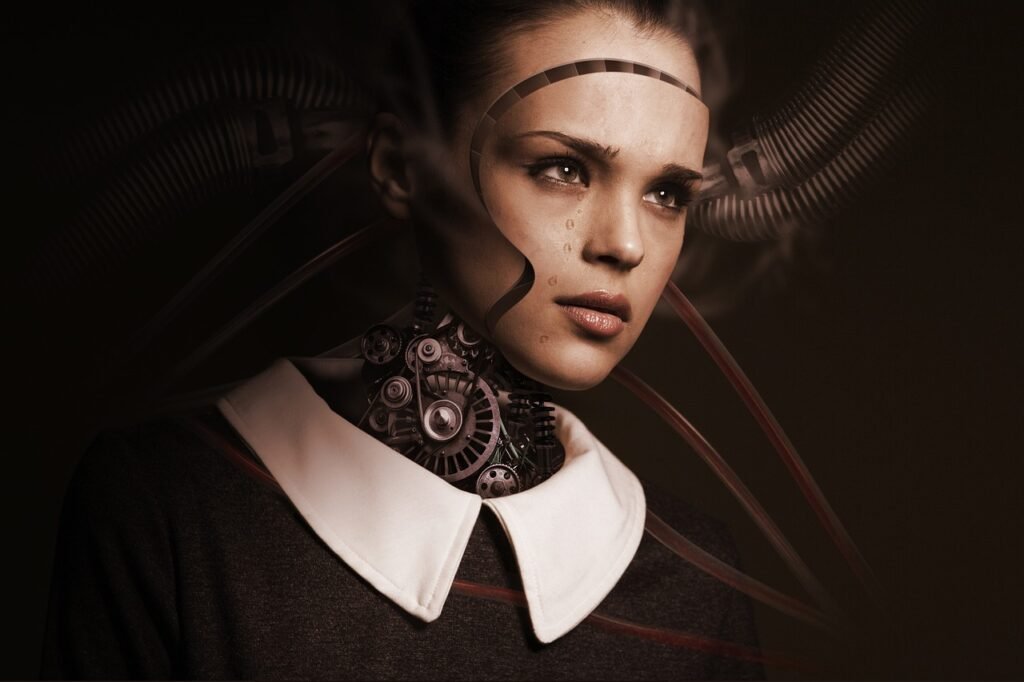
As 2025 unfolds, the business landscape continues to be reshaped by the pervasive influence of artificial intelligence. The year 2024, in particular, is being recognized as a pivotal moment, marking the “AI era proper” where technological breakthroughs and innovative applications became deeply embedded across diverse sectors. From healthcare and finance to entertainment and agriculture, AI’s reach expanded significantly. This rapid integration, however, has not been without its complexities, particularly concerning the workforce. Research indicates a dramatic shift in job skill requirements, underscoring the urgent need for organizations to adopt a human-centric approach to AI implementation to future-proof their talent strategies.
The pace of change in the professional sphere has been stark. TalentNeuron research, cited in industry discussions, revealed a significant transformation in job skill demands between 2016 and 2019. A staggering three-quarters of jobs experienced more than a 40% change in their required skills during this period. This data strongly suggests that a static approach to role definition is no longer a viable strategy for building a resilient and future-ready workplace. As AI continues its relentless march, the imperative for businesses to understand and adapt to these evolving skill sets becomes paramount. The question is no longer if AI will impact jobs, but how organizations can strategically manage this impact to augment human capabilities rather than simply replace them.
One of the most significant trends shaping 2024 and beyond is the mainstreaming of Ethical AI. This shift signifies a move beyond solely evaluating what AI can do to a more profound consideration of what it should do for humanity. Organizations championing this approach, such as LADYACT, emphasize empowerment, ethics, and positive action, viewing technology through a lens that fosters connection, creativity, and a more equitable future. This ethical dimension is intrinsically linked to the human-centric implementation of AI, ensuring that technological advancements serve to enhance human potential and well-being.
The rise of multimodal AI and generative AI further pushed boundaries in 2024, demonstrating AI’s expanding capabilities. These advancements, while impressive, also bring forth new challenges. Discussions around increased regulation, ethical debates, and even the environmental impact of AI’s energy consumption highlight the multifaceted nature of its integration. For B2B decision-makers, understanding these evolving AI models and their implications is crucial for strategic planning. However, the most pressing challenge often lies in its impact on the human workforce.
The year 2024 witnessed significant leaps in generative and multimodal AI technologies. Generative AI, capable of creating new content such as text, images, and code, moved from experimental phases to practical applications across various industries. Similarly, multimodal AI, which can process and understand information from multiple sources like text, images, and audio simultaneously, began to offer richer, more nuanced insights. These advancements are not merely incremental; they represent a fundamental shift in AI’s capacity to interact with and generate complex data.
For instance, generative AI tools can now produce marketing copy, draft technical documentation, and even assist in software development with remarkable speed and sophistication. Multimodal AI, on the other hand, can analyze customer feedback from various channels – social media posts, video testimonials, and survey responses – to provide a holistic understanding of sentiment and identify emerging trends. This convergence of generative and multimodal capabilities promises to accelerate innovation and streamline processes across the B2B landscape.
However, the rapid evolution of these AI models presents a unique set of challenges, particularly for human professionals. The ability of AI to generate high-quality content at scale raises questions about the future role of content creators, marketers, and strategists. Similarly, the sophisticated analytical power of multimodal AI could automate tasks previously performed by data analysts and market researchers. This potential for automation, if not managed thoughtfully, can lead to workforce anxieties and a skills gap.
The ‘Human’ Angle: Navigating Skill Obsolescence and the Augmentation Imperative
The core challenge presented by these advanced AI trends is the potential for skill obsolescence and the subsequent need for workforce adaptation. As AI becomes more adept at performing tasks that were once the sole domain of human expertise, professionals are faced with the prospect of their current skill sets becoming less relevant. The TalentNeuron research underscores this reality, showing that the very definition of a “job” is becoming more fluid, with required skills evolving at an unprecedented rate.
This is where the concept of “human-centric AI” becomes critical. It posits that AI should not be viewed as a replacement for human workers, but rather as a powerful tool for augmentation. This perspective shifts the focus from fear of job displacement to the opportunity for enhanced productivity, creativity, and strategic thinking. For B2B decision-makers, this means understanding that the successful integration of AI hinges on empowering their existing workforce to leverage these new technologies.
The “human” angle in this context involves several key considerations:
- Skill Evolution, Not Elimination: Instead of focusing on roles that might be eliminated, businesses must identify how AI can augment existing roles. For example, a marketing content strategist can use generative AI to draft initial content, freeing up their time for higher-level tasks like strategy development, brand voice refinement, and audience engagement.
- The Need for Digital Dexterity: The TalentNeuron research highlights “digital dexterity” as a crucial skill. This refers to an individual’s ability to adapt to and effectively use new digital technologies. As AI becomes more prevalent, individuals with high digital dexterity will be better equipped to collaborate with AI systems.
- Ethical Considerations in Human-AI Collaboration: The mainstreaming of Ethical AI means that the implementation of AI must also consider the ethical implications for the workforce. This includes ensuring fairness, transparency, and accountability in how AI is used and how it impacts human roles.
- Maintaining Human Ingenuity: While AI can process vast amounts of data and generate outputs, it lacks the innate human qualities of empathy, intuition, and lived experience. These qualities remain invaluable in areas like customer relationship management, complex problem-solving, and innovative strategic thinking.
The challenge for B2B organizations is to proactively address these human factors. Simply deploying AI tools without considering their impact on people is a recipe for inefficiency and potential disruption. The focus must be on building a workforce that can effectively partner with AI, leveraging its strengths while contributing uniquely human insights and capabilities.
The IdeasCreate Solution Framework: Empowering Your Workforce for Human-Centric AI
IdeasCreate recognizes that the successful adoption of AI in the B2B sector is fundamentally a human endeavor. The company’s solution framework is built upon the principle that AI should augment, not automate away, human potential. This framework focuses on equipping organizations with the strategies and tools to foster a symbiotic relationship between humans and artificial intelligence, ensuring a smooth transition and maximizing the benefits of AI integration.
The core pillars of the IdeasCreate framework include:
- Strategic Staff Training and Upskilling: Recognizing the rapid skill shifts identified by research, IdeasCreate prioritizes comprehensive training programs. These programs are designed not just to teach employees how to operate AI tools, but to cultivate digital dexterity and an understanding of how AI can enhance their specific roles. For instance, training might focus on prompt engineering for generative AI, interpreting multimodal AI insights, or ethically navigating AI-generated content. The goal is to transform employees from passive users of AI to active collaborators.
- Cultivating a Human-Centric Culture: Technology adoption is deeply influenced by organizational culture. IdeasCreate assists businesses in fostering an environment where AI is perceived as a supportive partner rather than a threat. This involves transparent communication about AI initiatives, emphasizing the value of human contribution, and encouraging experimentation and learning. A culture that embraces human-centric AI is one that values creativity, critical thinking, and the unique problem-solving abilities of its people.
- Role Redefinition and Augmentation Strategies: Rather than focusing on potential job elimination, IdeasCreate guides organizations in redefining roles to incorporate AI capabilities. This involves analyzing existing job functions and identifying opportunities where AI can automate repetitive tasks, accelerate data analysis, or generate initial drafts, thereby freeing up human professionals to focus on more strategic, creative, and high-value activities. This approach ensures that AI integration leads to increased efficiency and innovation, not workforce anxiety.
- Ethical AI Integration Guidelines: Aligning with the mainstreaming of Ethical AI, IdeasCreate helps organizations establish clear guidelines for the responsible and ethical use of AI. This includes considerations for data privacy, algorithmic bias, and the transparency of AI-driven decisions. By embedding ethical principles into AI implementation, businesses can build trust with their employees and customers, and ensure that AI serves humanity’s best interests.
By implementing this holistic framework, B2B decision-makers can move beyond the initial hype and challenges of AI adoption. They can harness the power of sophisticated AI models like generative and multimodal AI, while simultaneously strengthening their most valuable asset: their human workforce.
Conclusion: Embracing the Augmented Future
The year 2024 marked a significant acceleration in AI’s integration into the B2B landscape, characterized by the rise of sophisticated generative and multimodal AI. While these advancements offer unprecedented opportunities for efficiency and innovation, they also present a critical challenge: the rapid evolution of workforce skills. The stark data from TalentNeuron, indicating substantial skill changes in a majority of jobs between 2016 and 2019, serves as a potent reminder that static role definitions are no longer sufficient.
The path forward for B2B organizations lies in embracing a human-centric approach to AI implementation. This means viewing AI not as a replacement for human capabilities, but as a powerful tool for augmentation. By