
April 2026: AA-Omniscience and “Humanity’s Last Exam” Set New Benchmarks for AI Integration Amidst Global Digital Divide
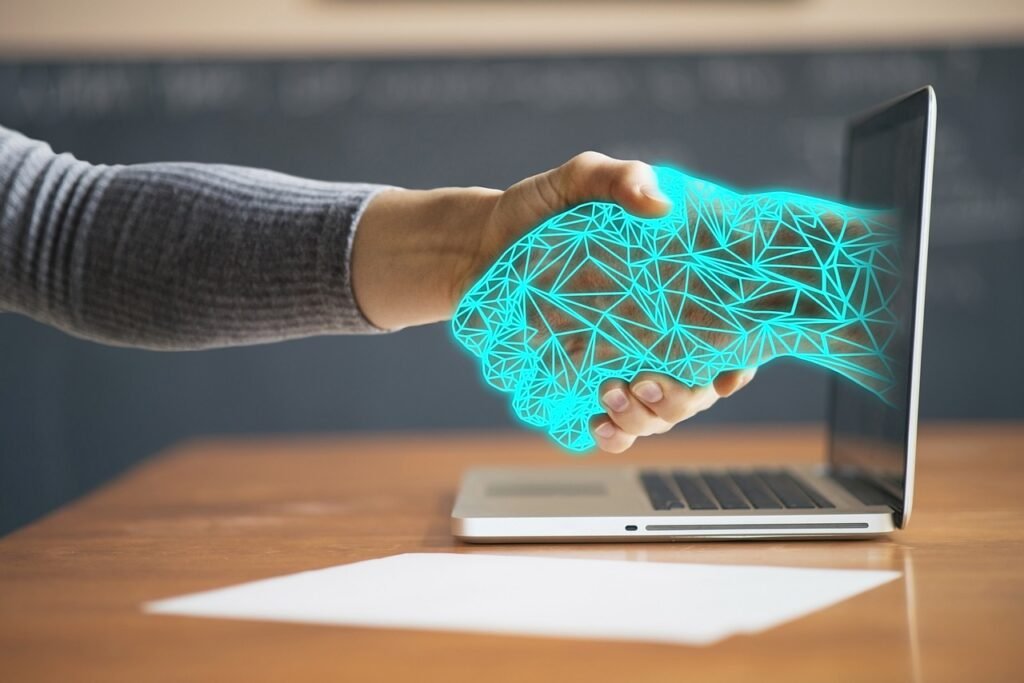
April 2026 marks a pivotal moment in the evolution of artificial intelligence (AI), with the emergence of sophisticated models like AA-Omniscience and rigorous evaluation benchmarks such as “Humanity’s Last Exam” redefining the landscape of B2B AI integration. As businesses grapple with the increasing complexity of AI adoption, a critical understanding of these advancements, coupled with a focus on the “human angle,” is becoming paramount. This period is characterized by a growing realization that while AI’s capabilities are expanding exponentially, its true value is unlocked through human-centric implementation, emphasizing augmentation rather than outright replacement.
The Artificial Analysis Intelligence Index v4.0, a comprehensive framework for understanding AI capabilities, highlights several key models and evaluations that are shaping current industry discourse. Among these, AA-Omniscience stands out as a representative of advanced AI intelligence, evaluated alongside benchmarks like GDPval-AA, 𝜏²-Bench Telecom, Terminal-Bench Hard, SciCode, AA-LCR, IFBench, GPQA Diamond, and CritPt. The inclusion of “Humanity’s Last Exam” within this index underscores a significant trend: the increasing demand for AI systems that not only possess raw intelligence but also demonstrate a nuanced understanding and capacity for complex, human-like reasoning. This benchmark, by its very name, suggests a critical test of AI’s ability to align with human values, ethical considerations, and the intricacies of human-defined problems, moving beyond mere computational power.
The impetus behind these advanced evaluations and models stems from a broader industry shift. Experts are predicting that 2026 will be the year AI evolves from a mere instrument to a genuine partner. This evolution is not just about enhanced performance but about AI amplifying human potential. Microsoft’s outlook for 2026 emphasizes this collaborative future, stating, “AI will amplify what people can achieve together.” This sentiment is echoed across various sectors, where AI is moving beyond simple question-answering to actively collaborating with individuals, enhancing their expertise. In software development, for instance, AI is reportedly learning not only code but also the context behind it, a capability that requires a deeper level of understanding than previously demonstrated.
However, this burgeoning partnership between humans and AI is not without its challenges, particularly in the B2B sphere. The “human angle” in AI implementation is becoming increasingly critical. As AI agents prepare to join the workforce, as noted by Microsoft, the focus is shifting towards ensuring they are equipped with new safeguards. This implies a recognition that AI’s integration into professional environments necessitates careful management to ensure ethical deployment and effective human-AI collaboration. The AI Index 2025 report, as referenced in industry discussions, has already signaled a need for AI literacy and fluency, emphasizing that successful AI integration will require more “human-centric collaboration with AI teammates.”
The concept of “left & right brain AI,” as advocated by Pega.com, further elucidates this shift. It suggests that AI’s utility extends beyond purely analytical or generative tasks (often considered “left brain”) to encompass aspects that require creativity, empathy, and strategic thinking (traditionally “right brain”). This holistic view of AI aligns with the growing demand for systems that can understand and respond to complex human needs and business contexts. Pega’s manifesto on AI for the enterprise stresses the importance of starting with outcomes and decisions, rather than solely with data and models, a perspective that inherently prioritizes the human-centric application of AI.
The implications for B2B decision-makers are profound. The era of simply deploying AI tools for efficiency gains is evolving into an era of strategic AI partnership. Companies that succeed in this new paradigm will be those that can effectively integrate AI to augment their human workforce, fostering a culture of collaboration and continuous learning. The Artificial Analysis Intelligence Index v4.0, with its diverse array of benchmarks, provides a framework for evaluating AI models not just on their technical prowess but also on their potential for real-world application and their alignment with complex human tasks. Models like AA-Omniscience, when assessed against benchmarks like “Humanity’s Last Exam,” offer insights into AI’s readiness for such collaborative roles.
The challenge lies in bridging the gap between advanced AI capabilities and seamless human integration. This requires a strategic approach that prioritizes staff training and cultural alignment. Businesses need to equip their employees with the necessary AI literacy and fluency to work effectively alongside AI systems. This involves understanding AI’s strengths and limitations, developing skills in prompt engineering, and fostering a mindset that embraces AI as a tool for empowerment rather than a threat to job security. Cultural fit is equally important; an organization’s willingness to adapt and integrate AI in a way that supports its existing values and workflows will be a key determinant of success.
The development of reasoning models, such as those from Chinese frontier labs like DeepSeek-R1, and the increasing sophistication of open-source reasoning agents, as mentioned in discussions around IBM’s Granite 3.0 and the emerging traction of MCP, signal a rapid advancement in AI’s cognitive abilities. These developments, while impressive, underscore the need for human oversight and strategic direction. The ability of AI to count “r”s in “strawberry” might have been a benchmark in the past, but the current focus is on AI’s capacity for complex reasoning and problem-solving, which necessitates a human-centric approach to harness its full potential.
The global digital divide also presents a layer of complexity. While advanced AI models and benchmarks are emerging, ensuring equitable access to these technologies and the necessary training to utilize them effectively remains a significant hurdle. For businesses operating across different regions, this divide can exacerbate existing inequalities and create new challenges in AI adoption. A truly human-centric AI implementation must consider these disparities and strive for inclusive solutions.
In conclusion, April 2026 represents a critical juncture in AI adoption for B2B enterprises. The emergence of powerful AI models like AA-Omniscience, evaluated against stringent benchmarks such as “Humanity’s Last Exam,” signals a new era of AI capabilities. However, the true measure of success will lie in the ability of organizations to navigate the “human angle.” This involves fostering human-centric collaboration, investing in comprehensive staff training, and ensuring cultural alignment with AI integration. By viewing AI as a partner that augments human intelligence and by prioritizing ethical and inclusive deployment, businesses can unlock the transformative potential of AI and drive meaningful, business-defining impact.
Actionable Insights for B2B Decision-Makers:
- Prioritize AI Literacy and Fluency: Invest in training programs that equip your workforce with the skills to understand, interact with, and leverage AI technologies effectively.
- Adopt a Human-Centric Implementation Framework: Focus on how AI can augment human capabilities, improve decision-making, and enhance employee experience, rather than solely on automation.
- Evaluate AI Models Holistically: Utilize comprehensive benchmarks like those within the Artificial Analysis Intelligence Index v4.0, considering not just performance metrics but also ethical alignment and potential for human collaboration.
- Foster a Culture of Adaptability: Encourage an organizational culture that is open to change, embraces new technologies, and supports continuous learning in the face of evolving AI capabilities.
- Consider the Global Context: Be mindful of the digital divide and strive for AI implementation strategies that promote inclusivity and equitable access to technology and training.
To explore how your organization can navigate the complexities of human-centric AI implementation and harness the power of advanced AI models like AA-Omniscience, contact IdeasCreate for a custom consultation.