
Beyond Automation: Why 2024’s Human-Centric AI Surge Demands a Talent Strategy Revolution
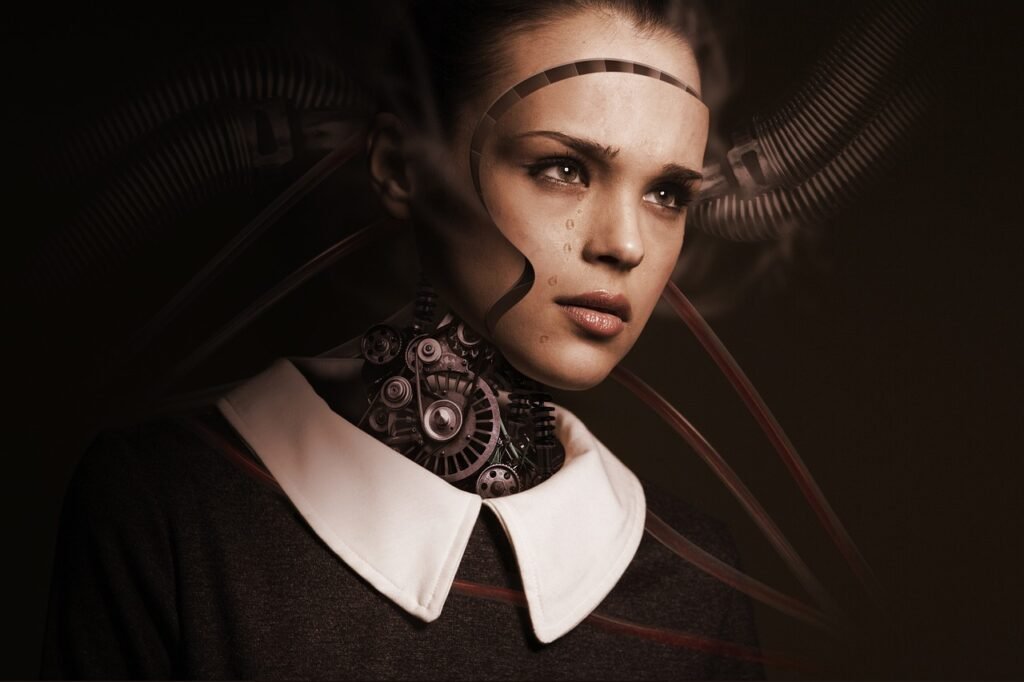
December 2025 – The artificial intelligence landscape of 2024 has moved beyond the initial awe of automated processes to a more nuanced understanding: the critical role of human augmentation. As AI continues its rapid integration across industries, the focus is shifting from mere technological advancement to how these powerful tools can empower human capabilities. This evolution presents a significant challenge and opportunity for B2B decision-makers, demanding a fundamental re-evaluation of talent strategies to navigate the burgeoning era of “Human-Centric AI.”
The past few years have witnessed an extraordinary pace of innovation in artificial intelligence, with 2024 marking a pivotal moment, often referred to as the “AI era proper.” Technological breakthroughs, innovative applications, and substantial financial growth characterized this period. AI began to embed itself deeply within sectors as diverse as healthcare, finance, entertainment, and agriculture. Emerging technologies such as multimodal AI and generative AI have pushed boundaries, demonstrating AI’s potential to reshape business operations and creative processes. However, this rapid ascent has not been without its complexities. Increased regulation, ongoing ethical debates, and concerns regarding energy consumption and hardware shortages have highlighted the industry’s underlying dependencies and the need for thoughtful implementation.
A significant trend dominating 2024 has been the “mainstreaming of Ethical AI,” as highlighted by organizations like LADYACT. The conversation has matured from exploring what AI can achieve to a more profound consideration of what AI should achieve for humanity. This paradigm shift emphasizes empowerment, ethics, and fostering positive societal impact. This movement towards human-centric AI is not simply a philosophical discussion; it is translating into tangible applications and strategic imperatives for businesses.
Research underscores the profound impact of AI on the workforce. TalentNeuron research, for instance, found that between 2016 and 2019, three-quarters of jobs experienced more than a 40% change in their required skills. This data point, while from a slightly earlier period, serves as a critical indicator of the accelerating pace of skill transformation driven by AI. It demonstrates that static roles are no longer a viable strategy for building future workplaces. Instead, organizations must adopt dynamic approaches to talent management that account for the evolving nature of work.
Furthermore, the emergence of AI agents has begun to redefine B2B strategies. These agents are not positioned as replacements for human creativity but as powerful tools to augment it. This augmentation was a key theme in the discussions surrounding the “Great Reset” of 2025, where AI content agents were seen as catalysts for enhancing ideation and content creation rather than supplanting human strategists. This perspective is crucial for B2B decision-makers who are tasked with leveraging AI to drive business value while maintaining a competitive edge.
The Human Angle: Navigating the Skill Shift and the “Human Score”
The core challenge presented by the rise of Human-Centric AI lies in adapting the human workforce to this new collaborative paradigm. The TalentNeuron research, indicating a 40% change in required skills for a majority of jobs in just three years, is a stark reminder of the imperative to future-proof talent strategies. This isn’t about eliminating roles; it’s about redefining them and equipping employees with the skills to work alongside advanced AI.
As AI becomes more sophisticated, its impact on various job functions becomes more pronounced. For example, in pharmaceutical quality assurance and manufacturing, AI agents are seeing a surge in adoption. However, the imperative remains for human oversight and augmentation. These AI tools can accelerate processes and identify anomalies with unprecedented speed and accuracy, but human expertise is still essential for validation, complex problem-solving, and ethical decision-making.
The concept of a “Human Score” is emerging as a critical metric for enterprise agility. This score likely refers to the ability of an organization’s workforce to effectively collaborate with AI, demonstrating not just technical proficiency but also adaptability, critical thinking, and emotional intelligence. In 2025, the ability to achieve high “Human Scores” will be a differentiator for businesses seeking to harness the full potential of AI while mitigating its risks.
This shift necessitates a proactive approach to talent development. Organizations can no longer afford to wait for skills gaps to emerge; they must anticipate them. This involves understanding which roles are most likely to be impacted by AI, assessing the proportion of digital dexterity skills required for those roles, and then strategically choosing how to address these changes. The options extend beyond simple elimination to include upskilling, reskilling, and redesigning job functions to leverage AI as a collaborative partner.
The IdeasCreate Solution Framework: Cultivating Human-Centric AI Integration
IdeasCreate recognizes that successful Human-Centric AI implementation hinges on a comprehensive strategy that prioritizes the human element. The company’s framework is designed to guide B2B decision-makers through this transformative journey by focusing on two key pillars: staff training and cultural fit.
Pillar 1: Advanced Staff Training for AI Augmentation
The core of IdeasCreate’s approach to staff training is to move beyond basic AI literacy and focus on developing skills that complement AI capabilities. This includes:
- AI Collaboration Skills: Training employees on how to effectively interact with AI tools, including generative AI platforms, AI agents, and multimodal AI systems. This involves understanding prompt engineering, data interpretation, and how to leverage AI outputs for strategic decision-making. For instance, in content creation, employees would be trained not just to use generative AI for drafting but to critically evaluate, refine, and strategically deploy the generated content, ensuring brand voice and factual accuracy.
- Critical Thinking and Problem-Solving: As AI handles more routine tasks, human employees will be increasingly tasked with complex problem-solving and strategic thinking. Training programs should emphasize developing these higher-order cognitive skills, enabling individuals to analyze AI-generated insights, identify novel solutions, and navigate ambiguous situations.
- Ethical AI Understanding: With the mainstreaming of Ethical AI, it is crucial for employees to understand the ethical implications of AI deployment. This includes data privacy, bias mitigation, and responsible AI usage. Training should equip staff with the knowledge to identify and address ethical dilemmas, ensuring that AI is used in a way that aligns with organizational values and societal expectations.
- Digital Dexterity: The TalentNeuron research highlights the increasing importance of digital dexterity. Training should focus on building employees’ comfort and proficiency with a range of digital tools and technologies, enabling them to adapt quickly to new AI applications and seamlessly integrate them into their workflows.
Pillar 2: Fostering an AI-Augmented Cultural Fit
Beyond technical skills, a successful transition to Human-Centric AI requires a cultural shift within the organization. IdeasCreate’s framework addresses this through:
- Promoting a Growth Mindset: Encouraging employees to view AI not as a threat but as an opportunity for professional development and enhanced productivity. This involves clear communication from leadership about the strategic vision for AI integration and its benefits for both the company and individual employees.
- Encouraging Experimentation and Learning: Creating an environment where employees feel safe to experiment with new AI tools and learn from both successes and failures. This can involve establishing internal communities of practice, providing access to pilot programs, and celebrating innovative uses of AI.
- Redefining Roles and Responsibilities: Collaborating with HR and departmental leaders to redefine job roles and responsibilities in light of AI capabilities. This proactive approach ensures that employees understand their evolving contributions and how their unique human skills remain invaluable. For example, a marketing content strategist might shift from purely writing to overseeing AI-generated content, refining messaging, and developing overarching campaign strategies.
- Emphasizing Human Oversight and Judgment: Reinforcing the idea that AI is a tool to augment, not replace, human judgment. This means establishing clear protocols for human review and decision-making in critical processes, particularly in fields like clinical trials where AI can assist in data analysis but human medical professionals must make the final diagnostic and treatment decisions.
Conclusion: Embracing the Future of Work with Human-Centric AI
The year 2024 has solidified the trajectory of AI towards a human-centric model. The mainstreaming of ethical AI, the rapid evolution of required job skills, and the emergence of AI agents as augmentation tools all point towards a future where human intelligence and artificial intelligence work in tandem. For B2B decision-makers, this is not a future to be feared but an opportunity to be strategically embraced.
The data from TalentNeuron indicating significant skill changes in a majority of jobs serves as a critical call to action. Organizations that fail to adapt their talent strategies risk being left behind. The imperative is clear: to invest in comprehensive staff training that fosters AI collaboration, critical thinking, and ethical awareness. Simultaneously, cultivating a culture that embraces AI as a partner, rather than a competitor, is paramount for unlocking the full potential of these transformative technologies.
The “Human Score” is becoming an increasingly important metric for organizational agility and resilience. By focusing on empowering employees and fostering a symbiotic relationship between humans and AI, businesses can build more innovative, efficient, and ethically sound operations. This human-centric approach ensures that AI serves as a catalyst for progress, enhancing human capabilities and driving sustainable growth in the evolving business landscape.
To navigate this transformative era and build a future-ready workforce, contact IdeasCreate for a custom consultation on implementing a robust Human-Centric AI strategy tailored to your organization’s unique needs and goals.