
The Human Equation: Why Your AI Strategy Needs a Heartbeat
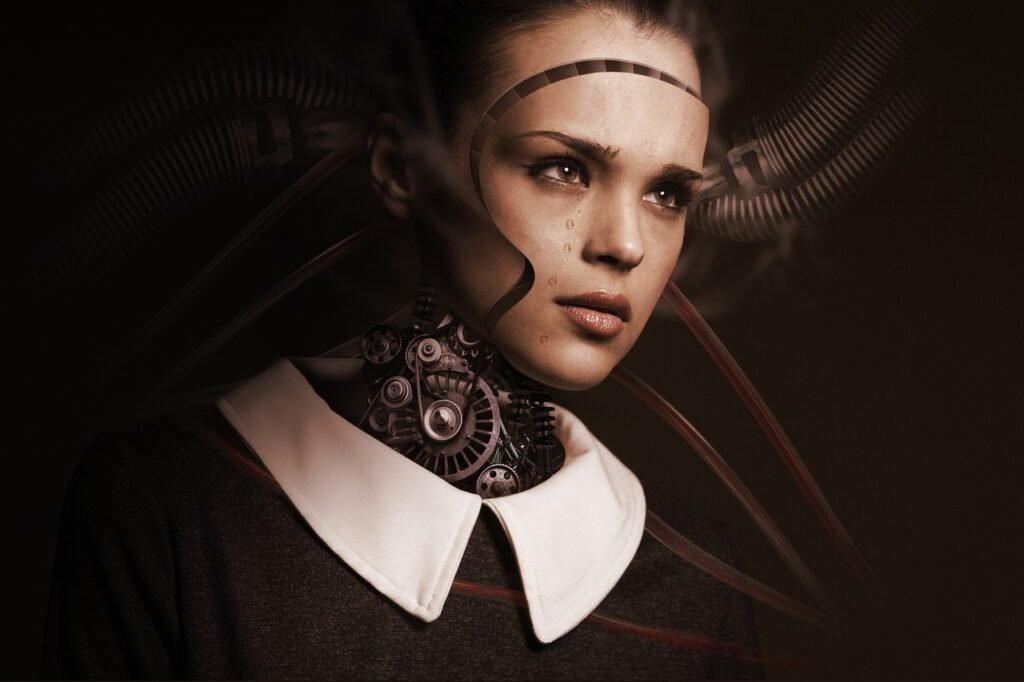
In today’s rapidly evolving business landscape, Artificial Intelligence (AI) has moved beyond a mere technological trend to become a critical driver of competitive advantage. Yet, for many operations and IT leaders, the true hurdle isn’t grasping AI’s potential, but rather translating that promise into tangible, measurable value for leadership and, more importantly, embedding it effectively within their organizations. This is where the conversation often falters: the assumption that AI is solely about algorithms and automation, overlooking the most crucial element – the human factor.
At IdeasCreate, we champion a philosophy that AI’s true power lies not in its ability to replace human ingenuity, but to augment it. We believe that a truly impactful AI implementation is one that amplifies human capabilities, fostering a more efficient, innovative, and ultimately, more human workforce. This isn’t just a feel-good sentiment; it’s a strategic imperative for sustainable growth in an era of constant change. This post will delve into the latest AI trends, examine the inherent human challenges they present, and outline IdeasCreate’s framework for building a human-centric AI strategy that delivers real, lasting value.
The pace of AI innovation is breathtaking. From generative AI models capable of creating text, images, and even code, to sophisticated predictive analytics and hyper-personalization engines, businesses are being presented with an ever-expanding toolkit. Recent advancements in large language models (LLMs) have particularly captured the imagination, offering unprecedented capabilities in natural language processing, content generation, and intelligent automation of complex tasks. These models are no longer confined to research labs; they are being integrated into customer service platforms, marketing automation tools, and internal operational systems, promising to streamline workflows and unlock new insights.
Furthermore, the concept of adaptive AI is gaining significant traction. Unlike traditional AI systems that operate on static datasets, adaptive AI can learn and evolve in real-time, adjusting its responses and strategies based on new information. This continuous learning capability is crucial for businesses operating in dynamic markets, where agility and responsiveness are paramount. Think of AI-powered supply chain optimization that can dynamically reroute shipments based on weather patterns or geopolitical events, or customer service chatbots that learn from every interaction to provide increasingly nuanced and helpful support.
The IT Skills and Salary Report consistently highlights the growing demand for professionals who can not only understand these technologies but also implement and manage them effectively. This underscores the shift from simply adopting AI to strategically integrating it. However, as these powerful tools become more pervasive, a critical question emerges: what impact do they have on the people who use them, and the people they serve?
The Human Angle: Unpacking the Challenges of AI Integration
While the technological prowess of AI is undeniable, its successful adoption hinges on our ability to address the inherent human challenges. The “AI isn’t just a buzzword – it’s now a competitive necessity” sentiment from Pega.com rings true, but the path to proving its value and turning that promise into reality is paved with human considerations.
One of the most significant challenges is the fear of displacement. Employees across all levels may worry that AI will render their skills obsolete, leading to job losses and a devaluation of their contributions. This anxiety, if left unaddressed, can foster resistance to change, hinder adoption, and ultimately undermine the very goals of AI implementation. It’s crucial to recognize that AI excels at repetitive, data-intensive tasks, freeing up humans for more strategic, creative, and empathetic work. The challenge lies in facilitating this transition, not fearing it.
Another critical aspect is the potential for bias. AI models are trained on data, and if that data reflects existing societal biases, the AI will perpetuate and even amplify them. This can lead to unfair outcomes in hiring, lending, customer interactions, and other critical areas. Ensuring fairness and equity in AI requires meticulous attention to data sourcing, model development, and ongoing monitoring.
Furthermore, the complexity of AI systems can create a knowledge gap. Without proper understanding and training, employees may struggle to interact with AI tools effectively, leading to frustration and underutilization of these powerful resources. The “Practice Difficult Conversations with Adaptive, Personalized Feedback” insight from the Business Intelligence Group, particularly in the context of AI-powered coaching like CAISY, points towards a growing need for AI to support human skill development, not replace it.
Finally, cultural fit is paramount. A top-down, technologically driven AI implementation that ignores the existing organizational culture and employee sentiment is destined to falter. True success comes from fostering an environment where AI is seen as a collaborative partner, not an imposition.
The IdeasCreate Solution Framework: Augmenting Humanity, Not Replacing It
At IdeasCreate, we believe that the most effective AI strategies are those that are fundamentally human-centric. Our approach is built on the understanding that technology is a tool, and its ultimate impact is determined by how it is wielded by people. Our framework focuses on three key pillars:
1. Empowering Your Workforce Through Strategic Staff Training
The fear of AI-driven obsolescence is a legitimate concern, but it can be transformed into an opportunity for growth. IdeasCreate’s approach to staff training goes beyond basic technical instruction. We focus on:
- Upskilling and Reskilling: Identifying the skills that will be augmented by AI and providing targeted training to equip employees with the knowledge and capabilities to leverage these new tools. This might involve training on data interpretation, AI-assisted decision-making, prompt engineering for generative AI, or managing AI-driven workflows.
- AI Literacy and Understanding: Fostering a general understanding of how AI works, its capabilities, and its limitations across the organization. This demystifies the technology and builds confidence.
- Focus on Human-Centric Skills: Emphasizing and developing uniquely human skills that AI cannot replicate, such as critical thinking, creativity, emotional intelligence, complex problem-solving, and ethical reasoning. These skills become even more valuable when augmented by AI.
- Adaptive Learning Platforms: Utilizing AI-powered adaptive learning tools (like the concept behind CAISY) to provide personalized training experiences that cater to individual learning styles and paces, ensuring everyone can master the new technologies.
2. Cultivating Cultural Fit for Seamless Integration
Technology alone cannot drive transformation; it requires a receptive organizational culture. IdeasCreate works with businesses to foster a culture that embraces AI as a catalyst for positive change:
- Transparent Communication: Openly communicating the vision, goals, and expected impact of AI initiatives. Addressing employee concerns proactively and honestly builds trust and reduces resistance.
- Involving Employees in the Process: Actively seeking employee input during the AI implementation phases. This could involve pilot programs, feedback sessions, and cross-functional AI steering committees. When employees feel heard and involved, they become champions of the new technology.
- Championing a Collaborative Mindset: Encouraging a collaborative relationship between humans and AI. This involves designing workflows where AI assists humans, and humans oversee and guide AI.
- Ethical AI Governance: Establishing clear ethical guidelines and governance structures for AI use, ensuring fairness, transparency, and accountability. This demonstrates a commitment to responsible AI adoption.
- Celebrating Human-AI Synergy: Highlighting successful examples of human-AI collaboration and the positive outcomes achieved, reinforcing the value of this partnership.
3. The IdeasCreate Solution Framework in Action
Our framework is not a theoretical construct; it’s a practical roadmap. For instance, when a business seeks to implement AI for enhanced customer service, we don’t just recommend a chatbot. We analyze the existing customer service workflows, identify areas where AI can automate routine queries and provide real-time data insights to human agents. We then develop training programs for agents to effectively use these tools, manage more complex customer issues, and leverage AI-generated insights for personalized interactions. Simultaneously, we work with leadership to communicate the benefits of this hybrid approach – faster response times, improved customer satisfaction, and empowered agents – fostering a culture of innovation and continuous improvement, much like TCS aims to build perpetually adaptive enterprises.
The Future is Human-Augmented AI
The imperative for businesses to embrace AI is clear, but the path to success is not paved with algorithms alone. It requires a profound understanding of the human element. As the IT Skills and Salary Report and insights from industry leaders like Pega and TCS suggest, the competitive necessity of AI is undeniable, but its true value is unlocked when it augments, rather than replaces, human capabilities.
At IdeasCreate, we are dedicated to helping businesses navigate this complex landscape. We believe that by prioritizing human-centric AI implementation, focusing on comprehensive staff training, and cultivating a receptive organizational culture, companies can harness the transformative power of AI to achieve unprecedented levels of innovation, efficiency, and employee engagement. The future of business is not about machines replacing humans; it’s about humans and machines working together, creating a synergy that drives progress and elevates human potential.
—
Ready to build an AI strategy that truly augments your human capital?
Contact IdeasCreate today for a custom consultation and let us help you unlock the power of human-centric AI for your organization.